Career Profile: Firefighter
Why Is Firefighting a Job of Tomorrow?
Fires are unfortunate events that cost lives and inflict property damage. 3,320 Americans died because of fire, and fires caused about $15.5 billion worth of property loss, according to the U.S. Fire Administration. Without the quick response of firefighters, the figures would undoubtedly be higher. Employment opportunities for firefighters are expected to increase 12 percent, according to the Bureau of Labor Statistics. Firefighters make an average salary of about $41,190 annually.
What Does a Firefighter Do?
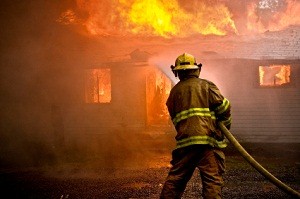
Fires can ignite due to a short-circuited wire, a forgotten pot on an active stove, a dropped cigarette and many circumstances. Small flames can quickly escalate beyond a homeowner's control, and firefighters must be called in to save residents and extinguish the flames before more damage is done. When a call is received, firefighters must quickly make their way with all of their equipment to the scene of the fire. On arrival, they often have only seconds to decide how to tackle the situation. Different firefighters perform different tasks to keep the firefighting team quick and efficient. For example, some carry the hoses, some connect the hoses to a fire hydrant, some climb up the ladders, and others enter the building to perform search and rescue operations. Yet, these roles can quickly change depending on the situation. Firefighters are also trained in medical treatment and will often assist those who are injured. After a fire has been extinguished, which can take several minutes to several days depending on the severity of the fire and the amount of combustible materials at the site, firefighters are responsible for going through the wreckage to ensure that no other blazes will ignite from the smoldering debris. Firefighters can also respond to other emergencies, such as vehicle accidents or chemical spills. When not responding to a scene, firefighters study fire science, keep up-to-date on fire prevention and maintain their physical fitness so that they're prepared for the next emergency.
What Kind of Training Do I Need to Become a Firefighter?
Firefighters must have at least a high school diploma and be certified medical technicians, though those with at least an associate degree in fire science are becoming more common and preferred. An associate degree takes about two years to earn, and a fire science degree program covers such topics as arson investigation, fire-incident command and fire prevention. Firefighters must also pass a physical examination. New firefighter hires must go through intensive training, which typically lasts several weeks.